Dyfed-Powys Police Report 17 Anti-Jewish Crimes in 2025
A 42% increase in recorded offenses contrasts with a Welsh Jewish population of just 2,044, prompting new discussions between local government and community leaders.
By Robert Hayes ·
Dyfed-Powys Police recorded 17 crimes classified as anti-Jewish in 2025, a 42% increase from the 12 incidents logged in 2024. This data was released through a Freedom of Information request. The figures cover only the Dyfed-Powys policing area, not the entirety of Wales. They also do not capture every antisemitic offense, as some may be recorded under different categories.
According to the 2021 UK Census, 2,044 people in Wales identified as Jewish by religion. This group represents approximately 0.07% of the nation's total population of 3.1 million. Most residents live in Cardiff, which hosts two synagogues: one Reform and one Orthodox. A Chabad synagogue serves Llandudno, while smaller community groups and individuals reside in other cities.
Professor Nathan Abrams, an expert in Welsh Jewry at Bangor University, noted that the small population does not equate to a lack of prejudice. He stated that the fascination the Welsh hold regarding Jews is inversely proportional to the actual numbers. Abrams has lived in Wales for twenty years and speaks the language fluently. He recently published the book Jews in the Welsh Imagination: Medieval Times to the Present.
National policing figures show 6,157 hate crimes recorded across Wales between April 2025 and March 2026. Of these, 325 were motivated by religion. This number is down from 451 in the previous period. However, the data does not specify which religion was targeted, making it difficult to determine the exact count of anti-Jewish crimes from national statistics alone.
The Community Security Trust recorded 25 antisemitic incidents geographically associated with Wales during calendar year 2025. The breakdown included 13 incidents in North Wales, 8 in South Wales, 2 in Dyfed-Powys, and 2 in Gwent. The discrepancy between the Trust's national count and the local police figures suggests that on-the-ground occurrences may exceed those formally reported to the organization.
The Welsh Local Government Association recently met with Jewish community representatives to discuss strategies for tackling antisemitism. Participants described a growing sense of anxiety, citing routine verbal abuse and concerns regarding children in schools. Some individuals reported changing their behavior to avoid publicly identifying as Jewish.
The South Wales Jewish Representative Council described the community as long-established and deeply rooted. The group stated that while resilient, the rise in antisemitism in recent years has left many members shaken and concerned.
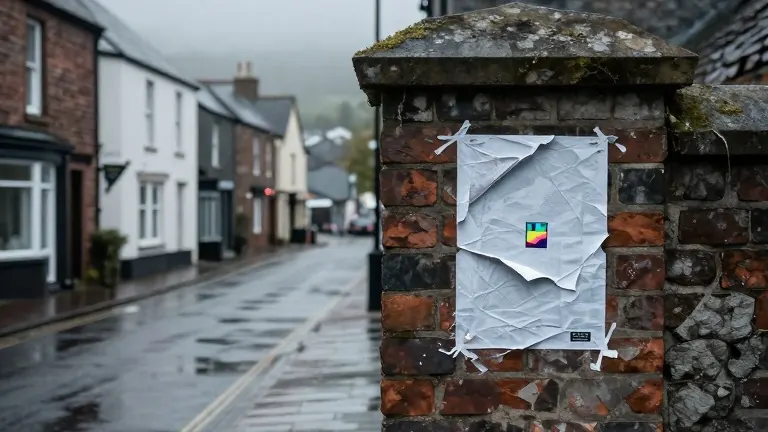
Abrams attributes much of the hostility to social media and the Israel-Palestine conflict. He referred to the concept of ambient antisemitism, which involves creating a hostile environment through demonstrations, posters, and stickers. He explained that this dynamic is particularly strong in northwest Wales, a region that is highly nationalist and supportive of the left-leaning Plaid Cymru party.
Plaid Cymru maintains a stance critical of Israel and supportive of Palestine. In September 2025, the party leader called for harsh sanctions against the Israeli government. Abrams observed that this political alignment often leads to antisemitism expressed by individuals who do not view themselves as bigoted. He noted that many well-meaning people cross the line by repeating age-old tropes, often without realizing their historical weight.
Abrams also pointed to class differences in how the conflict is perceived. He observed that working-class residents often dislike the demonstrators, while middle-class protesters may align with academic forms of antisemitism. He concluded that outside major cities, the hostility often comes from older, white, middle-class individuals who are polite but frequently apply old stereotypes incorrectly.
Source: The Jerusalem Post