Thousands of Indian users lose access to key satire voices as Meta enforces state orders
Satish Acharya's account was restricted twice in three weeks, while new data reveals nearly 195,000 government orders sent to tech platforms in five months.
By Robert Hayes ·
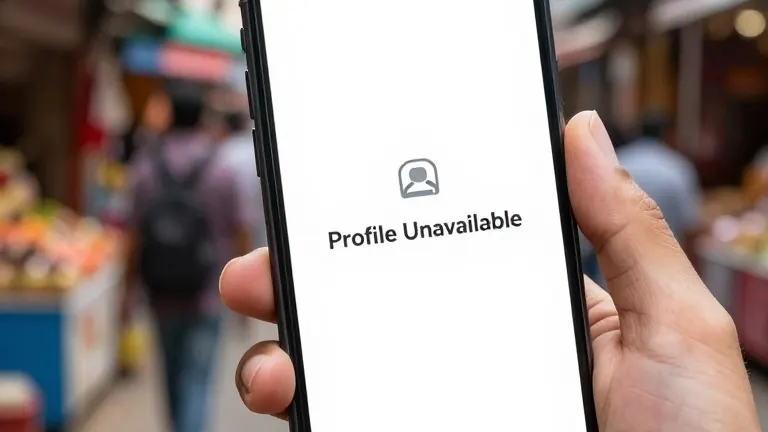
Indian cartoonist Satish Acharya found his Instagram profile inaccessible to users in his home country on Tuesday. It was the second time in three weeks that his account had been blocked under the nation's Information Technology Rules. During the first restriction, from September 28 to October 6, users could not locate his profile via search or direct links. Instead, they saw a message stating the profile was unavailable due to legal requirements.
Acharya, 55, said he received no explanation from Meta, the parent company of Instagram. He wrote to the platform but did not receive a reply. He was preparing to file a lawsuit when access was restored in early October, only for the block to return for three days earlier this week. In a separate incident, cartoonist Manjul had a post criticizing the election commission restricted, though his full profile remained active.
The restrictions have drawn attention to the volume of legal orders sent to technology companies. According to the Indian Express, government agencies issued nearly 195,000 blocking and content-restriction orders to platforms including Instagram, Facebook, and YouTube between March and July. These figures were obtained through a right-to-information request. The data does not specify how many posts were actually removed, and the BBC has not reviewed the original government response.
Prateek Waghre, a technology policy expert, noted that Meta appears more willing to comply with these orders than other platforms like X. Waghre said limited public data makes precise comparisons difficult. Meta told the BBC that it may temporarily restrict accounts to comply with India's IT Rules but did not detail the specific reasons for the restrictions on Acharya or Manjul.
The legal framework allows authorities and courts to order the removal or restriction of online content. The government states the rules help tackle unlawful material. Critics argue they stifle political satire, which has become a primary tool for dissent among younger Indians. Memes and online humor helped fuel protests in July that led to the resignation of the education minister. Debates have also intensified over a voter roll revision that removed 130 million names.
Sandeep Adhwaryu, a cartoonist for a leading Indian newspaper, described the profession as a form of default opposition. He said artists often soften captions or avoid certain subjects to avoid friction. Acharya noted that before 2014, when the Congress party led the government, his cartoons were frequently shared by BJP leaders without official restrictions. Now that the BJP is in power, his work primarily targets the current administration.
Rachita Taneja, creator of the Instagram comic Sanitary Panels, said her career depends on the internet but acknowledged the risks of platform dependence. She described social media as a for-profit venture that answers to advertisers. Taneja said Meta's compliance with government requests reflects commercial priorities rather than a focus on user rights.
Source: BBC News